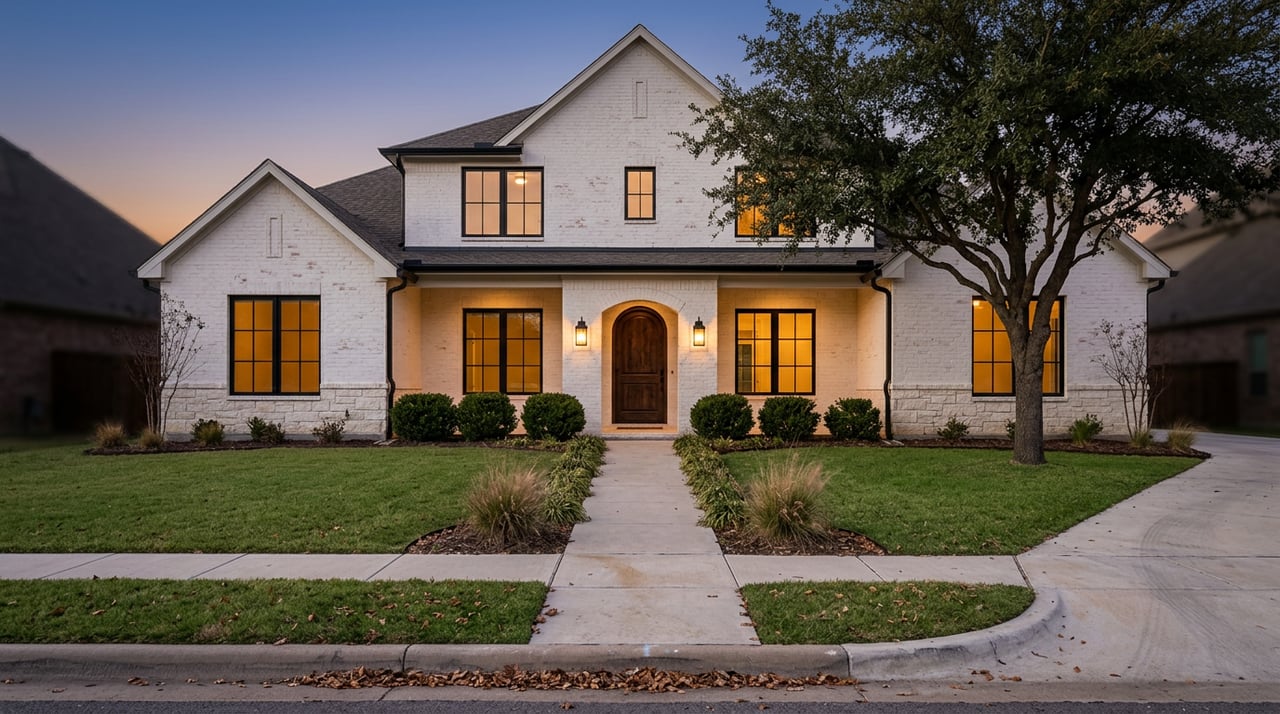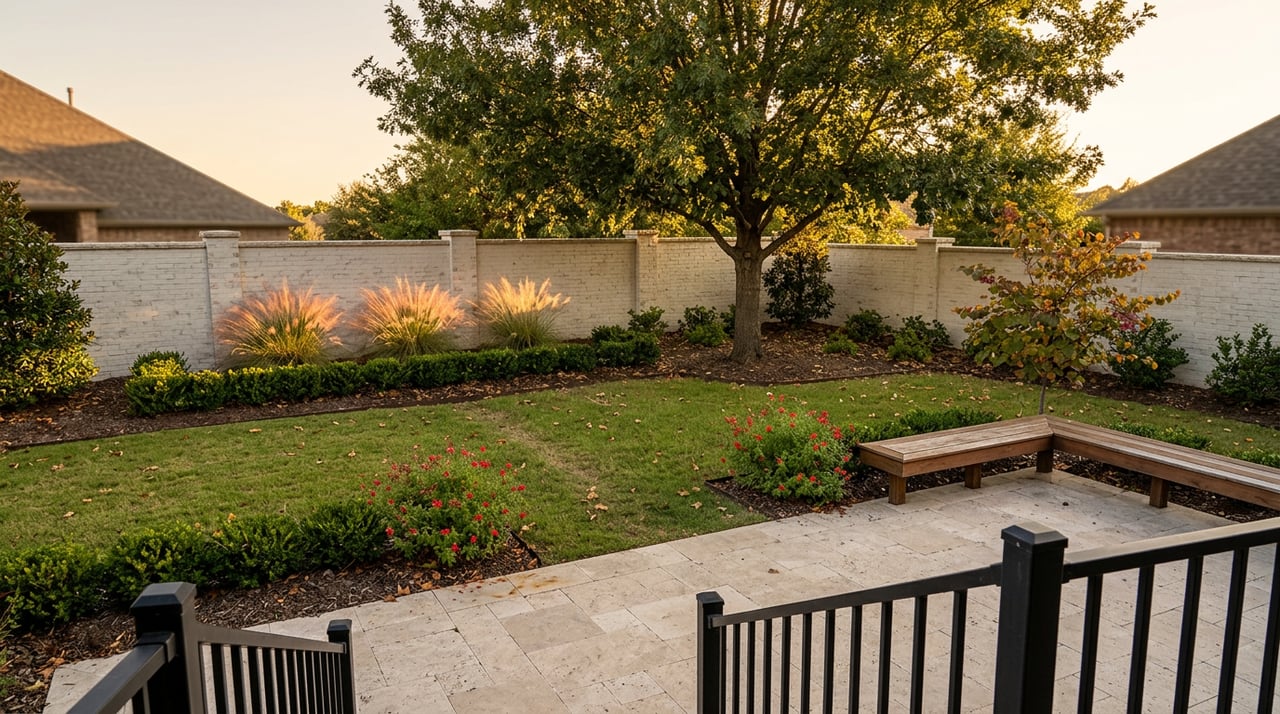
Are you weighing two Frisco neighborhoods that look the same online but have very different monthly fees? You are not alone. In the Frisco and Collin County market, master-planned communities come packed with amenities, layered HOAs, and sometimes MUD taxes that change the true cost of ownership. In this guide, you will learn what amenities to expect, how fees usually work, and how to tour communities so you can compare them with confidence. Let’s dive in.
What “master-planned” means in Frisco
In the Frisco area, a master-planned community is a large, developer-designed neighborhood with coordinated amenities, green space, and homeowner governance. Many are new or still building out in phases, and they range from a few hundred homes to several thousand. You will also see nearby Collin County options like Prosper and McKinney considered in the same search.
Most communities are lifestyle-focused. You will find active and fitness-driven setups, resort-style pool complexes, luxury or golf-oriented enclaves, and some gated or lower-maintenance options. Because amenities can be delivered over time, early buyers should confirm what is complete today and what is planned for later phases.
Common amenities you will see
Outdoor recreation
Most Frisco-area communities include a web of trails that link parks, play areas, and retail nodes. Expect pocket parks, dog areas, and shaded seating. Lakes or ponds are common, and some have simple fishing piers or boardwalks.
Pools and water fun
Community pools are standard. Some neighborhoods offer multiple pools, lap lanes, and splash pads for kids. Aquatic programs like swim teams or lessons may be run by the HOA or a homeowners’ group and can have separate fees.
Clubhouses and indoor spaces
Larger master-planned communities often feature a clubhouse with meeting rooms, a fitness center, and event space. A few include small business centers or activity rooms for classes and clubs.
Sports and specialty features
You will frequently see basketball, tennis, or pickleball courts, plus open fields for soccer or casual play. Some communities include outdoor workout stations or fitness classes. Specialty amenities like golf, marinas, or equestrian centers are less common in Frisco proper and may sit in nearby or exurban areas.
Community programming and access
HOAs often organize events such as holiday festivals, markets, and youth activities. A lifestyle director may manage calendars and facility use. Access can vary by sub-neighborhood, so confirm which amenities your home comes with and what requires separate membership.
Fees explained: HOA, MUD, and more
Understanding fees is the key to comparing one community to another. You will likely encounter the following:
- HOA dues: Ongoing fees for common-area maintenance, landscaping, amenity operations, security, insurance, and reserves. Large communities can have both a master HOA and a sub-HOA with separate dues.
- Special assessments: One-time charges for capital repairs or unexpected shortfalls.
- Transfer, initiation, or capital contribution fees: Costs at closing or first purchase that fund reserves or the master association.
- MUD taxes: Many newer developments use a Municipal Utility District to finance water, sewer, and infrastructure. MUD charges appear on your property tax bill and are separate from HOA dues.
- Property and school district taxes: These are outside HOA control but must be part of your total budget.
How amenities affect dues
- Trail networks and parks: Moderate ongoing costs driven by irrigation and landscape upkeep.
- Pools and splash pads: Higher recurring costs for staffing, chemicals, utilities, and repairs.
- Clubhouses and fitness centers: Moderate to high operating costs, especially when staffed.
- Gated access or security: Often increases HOA expenses due to staffing or security contracts.
- Golf or private clubs: Usually require separate membership fees beyond HOA dues.
Typical fee ranges in North Texas
HOA dues in North Texas master-planned communities range widely. You may see very low dues under 50 dollars per month in simpler neighborhoods and several hundred dollars per month in amenity-rich communities. Golf or country-club areas often add separate initiation and annual dues. Always verify what is included in the advertised number.
What dues usually do not cover
Utilities, water and sewer charges, trash collection, and MUD taxes are typically not part of HOA dues. Maintenance of your individual home is separate unless you are in a neighborhood that expressly includes certain services. Marketing materials sometimes highlight future amenities, so do not assume day-one access.
Red flags to watch
- Low dues with very small reserves or a pattern of special assessments in HOA meeting minutes.
- Unclear amenity timelines when the sales brochure shows features as “future.”
- High or rising MUD tax rates that change the long-term cost of ownership.
- Restrictive rules that limit renovations, rentals, or home-based businesses.
Match your lifestyle to the right community
Active families
- Priorities: Playgrounds, splash pads and lap lanes, connected trails, sports fields, and family programming.
- Fee expectation: Mid-tier dues to support staffing and events. Ask about separate fees for swim teams or youth activities.
Walkers, cyclists, and commuters
- Priorities: Robust trail networks with links to parks and retail, plus convenient access to major roads.
- Fee expectation: Moderate dues if trails and greenways are well maintained.
Luxury or club lifestyle
- Priorities: Golf access, gated entries, elevated clubhouses and event calendars, and curated streetscapes.
- Fee expectation: Higher HOA dues, plus separate club initiation and membership fees.
Low-maintenance living
- Priorities: Smaller lots, exterior maintenance options, gated areas, and social programming.
- Fee expectation: Moderate to higher dues depending on what exterior care is included.
Budget-conscious buyers
- Priorities: Fewer amenities or a single-layer HOA. If considering a new build, verify timelines to avoid relying on future amenities.
- Fee expectation: Lower dues, but review reserves and recent assessments to gauge risk.
How to tour communities the smart way
Before you go
- Ask for a one-page comparison of candidate communities showing current HOA dues, MUD status, key amenities, and any known assessments.
- Review available HOA documents, including the budget, CC&Rs, and rules. Note any exterior standards that could affect your plans.
- Study a community map that marks amenities and shows where construction is still active.
On-site questions and checks
- Verify what is actually built. Walk the pool area, clubhouse, trails, and playgrounds. Photos can lag reality in new phases.
- Ask how access works. Clarify guest policies, amenity cards, parking rules, and which amenities require separate membership.
- Note traffic patterns, parking near amenities, and how easy it is to walk or bike across the neighborhood.
After a promising tour
- Request recent HOA financials and the reserve study to see long-term planning for repairs.
- Review HOA meeting minutes for the past year to spot talk of assessments or delayed projects.
- Confirm amenity completion dates in writing and who operates each amenity if a vendor or separate club is involved.
Compare total housing cost, not just dues
To make an apples-to-apples comparison, add up the full picture. Combine HOA dues, any sub-HOA dues, expected MUD tax rate, and base property taxes. If a community has a private club, include initiation and annual membership costs as a separate line item. The right choice balances your daily lifestyle with a monthly number that feels sustainable.
How Integrity Plus Realty helps
Choosing between Frisco-area master-planned communities is easier when you have the right information in hand. Here is how a local, boutique brokerage can streamline the process:
- Pre-tour prep: You receive a simple comparison sheet that outlines dues, MUD status, amenity highlights, and any disclosed assessments. We gather available CC&Rs, HOA budgets, and rules to preview.
- On-site coordination: We request temporary amenity access or schedule a staffed tour when available. You see the actual condition of pools, clubhouses, and trails, not just marketing photos.
- Due diligence support: Before you commit, we help you obtain the resale packet or HOA disclosure, confirm amenity timelines in writing, and account for transfer fees or capital contributions. We also flag reserve levels and any history of special assessments.
This approach helps you match what you value day-to-day with a clear understanding of fees and long-term costs.
Touring checklist you can use
Use this quick list to keep your tour focused and productive:
- Inspect the condition of pools, splash pads, clubhouses, trails, and parks in person.
- Confirm what is open now and what is future. Ask for expected delivery dates.
- Ask what the HOA dues cover and what is paid separately. Note any optional programs.
- Request the HOA budget, most recent financials, reserve study, and meeting minutes.
- Verify access rules, guest policies, clubhouse rentals, and architectural review timelines.
- Speak with a few residents about maintenance responsiveness and amenity crowding at peak times.
The bottom line
Frisco’s master-planned communities offer real lifestyle value, but the amenities you choose should align with the fees you are comfortable paying. Look beyond glossy brochures to the HOA budget, MUD tax impact, and operating details that affect your monthly and yearly costs. With a smart tour and careful review, you can pick a community that fits your routine and your budget.
Ready to walk through a few options with a trusted local advisor? Reach out to Integrity Plus Realty to compare communities side by side and tour with a plan.
FAQs
What are common amenities in Frisco master-planned communities?
- Expect trail networks, neighborhood parks, pools or splash pads, clubhouses, sports courts, and HOA-led events. Specialty features like golf or marinas are less common and may require separate fees.
How do HOA dues in Frisco master-planned communities typically range?
- Dues can be under 50 dollars per month in simpler neighborhoods and several hundred dollars per month in amenity-rich communities. Always verify what is included.
What do HOA dues in Frisco master-planned communities usually cover?
- Dues typically fund common-area maintenance, landscaping, amenity operations, insurance, security where applicable, and reserves. Utilities, trash, and MUD taxes are usually separate.
How do MUD taxes affect homes in Frisco-area master-planned communities?
- In many newer developments, MUDs fund infrastructure and appear on your property tax bill. They are separate from HOA dues and should be included in your total monthly budget.
What documents should I review before buying in a Frisco master-planned community?
- Ask for the HOA budget, recent financials, reserve study, CC&Rs and rules, meeting minutes, the resale certificate or disclosure packet, amenity completion timelines, and recent tax bills.
What red flags should I watch for when comparing Frisco master-planned communities?
- Low dues paired with low reserves, frequent special assessments, vague amenity timelines, high or rising MUD rates, and rules that limit your planned use of the home.