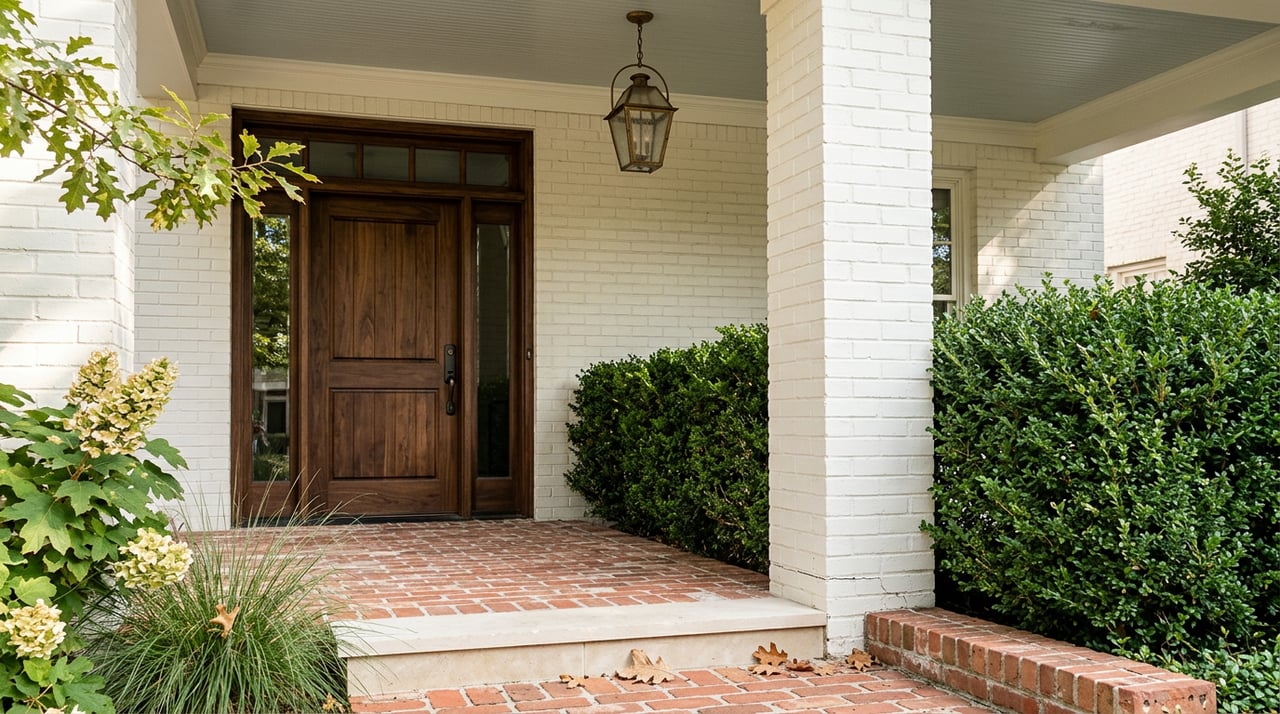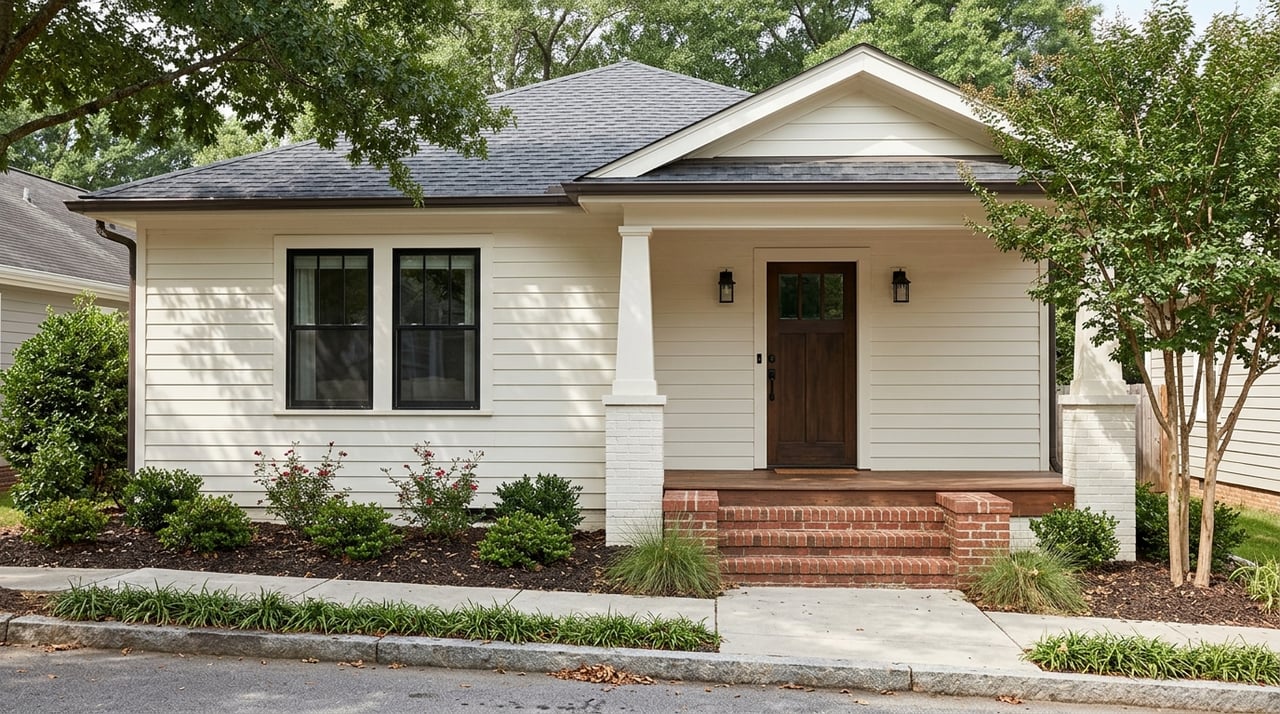
Trying to choose between historic charm and newer convenience in McKinney? It is a common question, and the answer usually comes down to how you want your everyday life to feel. If you are weighing Historic Downtown McKinney against the city’s newer suburban communities, this guide will help you compare walkability, home styles, lot layouts, commute patterns, and key details to verify before you buy. Let’s dive in.
The Real Difference in McKinney
When people compare Historic Downtown McKinney to the newer suburbs, they are often comparing two very different living patterns. The city describes downtown as one of the oldest thriving historic downtowns in Texas, with more than 120 unique shops, over two dozen restaurants, live entertainment, festivals, and a strong culture built around walking the square.
By contrast, newer areas of McKinney are generally shaped by subdivision planning, newer home construction, and car-oriented access. McKinney’s 2040 land use plan makes a clear distinction between more compact, walkable urban living and subdivision-based suburban living. That means your decision is less about old versus new and more about whether you want a pedestrian-oriented setting or a planned neighborhood environment.
Historic Downtown McKinney Lifestyle
Historic Downtown McKinney tends to appeal to buyers who want character and activity close to home. The area is built for strolling, dining, shopping, and enjoying events in a central district rather than driving from one destination to the next.
The city’s Town Center zoning also supports pedestrian-oriented, mixed-use, urban infill redevelopment. In practical terms, that means the downtown area is intentionally designed to reduce reliance on private vehicles and support a more walkable daily routine.
What daily life can feel like downtown
If you live near downtown, you may be able to walk to restaurants, shops, events, and public gathering spaces. The city also promotes sidewalk cafés, parklets, walking tours, and a downtown trolley route, which reinforces the area’s urban, active feel.
That said, downtown living usually comes with tradeoffs. Parking management is part of the experience, and some homes may rely on alley access, street parking, or tighter lot design compared with newer neighborhoods.
New Suburbs Lifestyle in McKinney
Newer suburban communities in McKinney often attract buyers who want newer systems, planned amenities, and a more predictable neighborhood layout. Instead of a walkable commercial core, these communities typically center daily life around the home, neighborhood trails, pools, open space, and road access.
For many buyers, that structure feels simple and efficient. You may get more consistency in streetscape, lot layout, garage placement, and home design options, which can make the home search feel easier to navigate.
What daily life can feel like in newer communities
Many newer communities emphasize internal amenities. For example, Trinity Falls highlights a 350-acre natural park with trails and lakes, while Painted Tree features trails, lakes, pools, festivals, and low-maintenance townhome living.
This can create a very active neighborhood lifestyle. Still, most routine errands in newer suburban areas are more likely to require a car than a short walk to a full downtown-style business district.
Home Styles and Architecture
One of the biggest differences between these two options is the housing itself. Historic areas of McKinney tend to offer older homes with more architectural variety, while newer suburban communities usually offer more standardized floor plans and homesite options.
That difference matters because it shapes not only how a home looks, but also how it functions, how much upkeep it may need, and what changes you may be allowed to make over time.
Historic homes near downtown
McKinney’s historic resources survey shows that older residential styles in the city include National Folk, Greek Revival, Prairie, Folk Victorian, and Carpenter Gothic homes. Many of these homes date from roughly 1880 to 1930, which helps explain why the area feels layered and visually distinct.
If you love individuality, this can be a major advantage. A historic-area home may offer details and character you are unlikely to find in a newer subdivision.
New construction and planned homesites
Newer master-planned communities usually follow a more structured product lineup. In Trinity Falls, for example, builders offer homes on 40', 45', 50', 60', and 65' homesites, with floor plans ranging from about 1,306 to 3,822 square feet depending on the builder and series.
Painted Tree includes both townhomes and single-family homes and is marketed as being about 3 miles north of downtown. In general, newer communities are more likely to give you a menu of lot widths, floor plans, and builder packages rather than the irregular parcel patterns common in older neighborhoods.
Lot Size, Layout, and Parking
The shape and function of a lot can affect your day-to-day comfort more than many buyers expect. That is especially true when comparing older central neighborhoods with newer suburban communities.
In downtown zoning areas, some lots may have zero-foot setbacks, and lots under 50 feet wide are designed to be accessed by rear alleys. That setup supports a compact urban pattern, but it may feel very different from a suburban lot with more uniform spacing and a front-facing garage.
What to expect downtown
In or near historic areas, lot lines can be tighter and less standardized. You may need to think more carefully about parking, storage, yard space, and how the home sits on the lot.
For some buyers, that compact layout is part of the appeal. For others, it can feel limiting if you want more outdoor space or simpler parking arrangements.
What to expect in newer suburbs
Newer suburban neighborhoods usually offer more consistency. Homesites are often part of a planned series, with predictable widths, setbacks, garage placement, and community design rules.
That can make it easier to compare one property to another. It can also make it easier to picture how your home will function for everyday routines, guests, and future resale.
Historic Rules vs Community Rules
This is one of the most important differences to understand before you tour homes. In historic areas, the question is often what you can change. In newer communities, the question is often what fees or district costs apply and what the builder or HOA controls.
Historic overlay requirements
In McKinney’s Historic Overlay District, a Certificate of Appropriateness is required before exterior work visible from the public right of way. That includes new construction, alteration, relocation, and demolition.
If you are considering a historic home, ask early whether the property is in the overlay district. That one detail can affect renovation plans, exterior updates, and your timeline for future projects.
HOA and district assessments
In newer communities, buyers should ask about HOA dues and whether any MUD, PID, or other special-financing-district assessments apply. McKinney’s guidance notes that property owners may pay assessments or taxes in addition to other taxes.
That does not mean a newer community is the wrong choice. It simply means your closing documents deserve close review so you understand the full cost of ownership.
Walkability and Commute Reality
Many buyers focus first on the house, but your daily routine may matter even more. A beautiful home can lose some of its appeal if the commute feels harder than expected or if your errands do not match your lifestyle.
McKinney is about 30 miles north of downtown Dallas and is anchored by U.S. 75 and U.S. 380 as major transportation corridors. The citywide mean travel time to work is 27.8 minutes, and the local transit option identified by the city is Collin County Transit, a DART-administered on-demand shared-ride service for eligible residents.
Downtown commute considerations
Living near downtown may improve access to local dining, events, and some errands on foot. But it does not automatically mean a shorter regional commute.
You still need to test your drive based on when you actually leave home. A route that feels manageable at one hour of the day can look very different at another.
Suburban commute considerations
In newer suburban communities, access to major roads may be part of the appeal. If you expect to drive regularly, that road access can be a meaningful convenience.
At the same time, it is smart to verify real drive times at your normal departure hour. Convenience on the map and convenience in practice are not always the same thing.
Which Option Fits You Best?
If you are deciding between Historic Downtown McKinney and a newer suburban neighborhood, a simple lifestyle test can help. Think less about which choice sounds better and more about what will make your week easier, more enjoyable, and more sustainable long term.
Historic downtown may be the better fit if you value:
- Walkability to dining, events, and shops
- Older homes with distinct architectural character
- A compact, urban-style neighborhood pattern
- Being close to the energy of the town center
Newer suburbs may be the better fit if you value:
- Newer construction and more predictable systems
- Planned amenities like trails, pools, lakes, and parks
- Standardized homesites and floor plan options
- Easier car access to major roads and regional travel
Questions to Ask Before You Tour
The best buying decisions usually come from asking practical questions early. This is where local guidance can save you time and help you avoid surprises.
Use this checklist as you compare homes in McKinney:
- Is the property in the Historic Overlay District?
- What exterior work would require a Certificate of Appropriateness?
- What are the exact lot width, depth, setbacks, and parking options?
- Are parking arrangements alley-based, street-based, or driveway-based?
- What HOA dues or special district assessments apply?
- If it is a newer community, is the lot tied to a specific builder or home series?
- What stage is the amenity buildout in right now?
- Which errands are realistically walkable from the home?
- How does the commute change if you leave at different times?
Bottom Line for McKinney Buyers
Neither Historic Downtown McKinney nor the newer suburbs are universally better. They simply serve different priorities.
If you want charm, variety, and a more walkable routine, downtown may feel like home. If you want newer homes, planned amenities, and a more structured suburban layout, the newer communities may be the stronger match.
The key is to compare not just the house, but the lifestyle that comes with it. If you want help narrowing your options in McKinney and finding the right fit for your goals, connect with Integrity Plus Realty.
FAQs
What is the main difference between Historic Downtown McKinney and newer suburbs?
- Historic Downtown McKinney is centered on walkability, older architecture, and a compact urban-style layout, while newer suburbs focus more on planned neighborhoods, newer homes, amenities, and car access.
Are homes near downtown McKinney subject to historic rules?
- Some are. In McKinney’s Historic Overlay District, exterior work visible from the public right of way requires a Certificate of Appropriateness before certain changes can be made.
Are newer McKinney communities more likely to have HOA or district fees?
- They can be. Buyers should ask about HOA dues and whether any MUD, PID, or other special-financing-district assessments apply to the property.
Is Historic Downtown McKinney more walkable than newer neighborhoods?
- In general, yes. The downtown area is designed to support pedestrian-oriented activity, with shops, restaurants, events, and public features that encourage walking.
What should buyers verify before choosing a McKinney neighborhood?
- Buyers should confirm lot dimensions, parking setup, commute timing, walkable errands, historic overlay status, HOA dues, and any special district assessments before moving forward.